Louder Than K-Pop: 5 Asian American Music Collectives Building Real Community in 2024
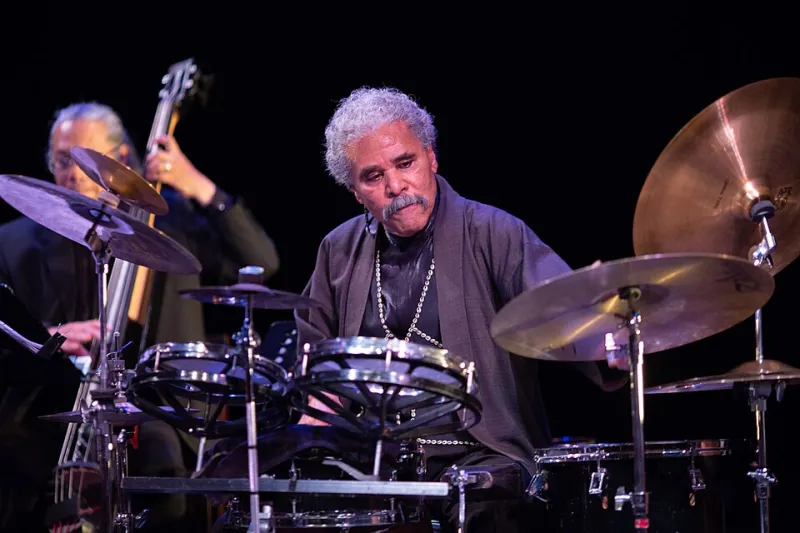
Photo: Hapabass, CC BY-SA 4.0, via Wikimedia Commons
Let's be honest about something. When most Americans think about Asian music in 2024, the mental image is pretty narrow: K-pop groups with synchronized choreography, maybe a viral moment from a BTS documentary, possibly a Lo-fi study beats playlist. The mainstream narrative around Asian music — even Asian American music — tends to flatten an incredibly diverse landscape into a handful of digestible categories.
But spend a weekend in the right neighborhoods of LA, New York, Houston, or Seattle, and you'll find something the algorithms don't always surface: a thriving, scrappy, genuinely innovative Asian American music underground. These aren't artists waiting for a major label to validate them. They're building something from the ground up, for their own people, on their own terms.
Here are five collectives and movements you need to know about.
1. 88Rising Adjacent: The DIY Indie Rock Scene Nobody's Writing About (Yet)
Everyone knows 88rising. What fewer people talk about is the indie rock ecosystem that exists completely outside that lane, centered around venues and house shows in cities like Philadelphia and Boston where young Filipino, Vietnamese, and Korean American musicians are making guitar-driven music that sounds like Mitski and Japanese Breakfast had a conversation with their immigrant parents.
Bands like these rarely get mainstream press, but they're selling out 200-cap venues through word of mouth and group chats alone. What's notable isn't just the sound — it's the ethos. Shows are deliberately welcoming spaces. Door prices are kept low. Lineups are curated so that Asian American artists aren't the token act on a predominantly white bill.
"We got tired of being the diversity checkbox," says one organizer of a Philly-based Asian American music night that's been running quarterly for two years. "So we just started doing our own thing. Turns out, there was a huge audience waiting for it."
The music itself tends to grapple with themes that feel specific to the diaspora experience — intergenerational conflict, the pressure to succeed, the dissonance of feeling neither fully American nor fully Asian. But it does so through the universal language of loud guitars and earnest vocals, which means the audience keeps growing.
2. The Houston Viet Hip-Hop Wave
Houston has long been one of the most underrated cities for hip-hop, period. What's been building in the city's Vietnamese American community over the past few years is something genuinely exciting: a generation of rappers and producers drawing on both the Houston rap tradition (think chopped and screwed aesthetics, Southern drawl, community-first storytelling) and the specific experience of growing up Vietnamese in Texas.
This isn't a novelty act. These artists are technically sharp, lyrically sophisticated, and deeply embedded in their neighborhoods. Their music references boba shops and pho restaurants alongside Houston landmarks, weaving together a portrait of a community that's been in the city for decades but rarely sees itself reflected in the culture.
What makes this movement particularly powerful is its community infrastructure. Local organizers have been hosting Vietnamese American hip-hop showcases that function as much as cultural events as concerts — connecting older Vietnamese American community members with the next generation through music. It's the kind of bridge-building that feels genuinely rare.
3. New York's Experimental Chinatown Sound
If Houston is where Asian American hip-hop is finding its Southern roots, New York is where it's getting weird in the best possible way. A loose collective of Chinese American, Taiwanese American, and Korean American producers and performers in lower Manhattan and Flushing have been developing what some are calling a "Chinatown experimental" sound — electronic music that incorporates traditional East Asian instruments, field recordings from urban Asian neighborhoods, and vocal samples in Cantonese, Mandarin, and Korean.
The music is challenging, sometimes abrasive, and absolutely not designed for mainstream consumption. But it's attracting serious attention from the experimental music world while also resonating with diaspora audiences who hear something familiar in the sonic textures — the sounds of their grandparents' neighborhoods, their parents' language, rendered in a completely contemporary form.
Shows happen in galleries, community centers, and occasionally restaurant dining rooms after hours. The vibe is inclusive and anti-pretentious in a way that a lot of experimental music spaces aren't. "We want the aunties to come," one artist told us, only half-joking. "We want the kids who've never been to an art gallery. The music is for everyone in the community, not just people with MFAs."
4. The Pacific Northwest's South Asian Indie Folk Scene
Seattle and Portland have quietly become home to a growing South Asian American indie folk scene that's doing something genuinely original: blending Carnatic and Hindustani musical traditions with Pacific Northwest indie folk aesthetics. Think fingerpicked acoustic guitar alongside sitar, vocals that move between English and Tamil or Hindi, lyrics that explore the specific experience of being South Asian in a region where the Asian American community is often coded as East Asian.
This movement has a strong community organizing component. Several of the artists involved are also activists working on South Asian American political issues, and their music reflects that. Shows often function as fundraisers or community gatherings, with space for conversation alongside the performances.
What's striking about this scene is how it's challenging assumptions within Asian American communities as well as outside them. "There's sometimes a tendency to treat 'Asian American music' as an East Asian thing," notes one Seattle-based artist. "We're pushing back on that from the inside."
5. LA's Pan-Asian Queer Club Night Circuit
Los Angeles has always been a hub for Asian American culture, but what's emerged in the past couple of years in the queer club night space is something particularly worth celebrating. A network of DJs, promoters, and performers — many of them queer and trans Asian Americans — have built a circuit of regular events that center Asian diaspora queer communities in a nightlife landscape that has historically marginalized them.
These aren't just parties. They're intentional spaces. Lineups prioritize Asian American DJs and performers. Visuals and aesthetics draw on Asian art traditions and diaspora aesthetics. The events function as community hubs where people can connect, organize, and simply exist without having to explain themselves.
The music runs the gamut — hyperpop, amapiano, Jersey club, experimental electronic — but it's unified by a sensibility that's unapologetically Asian and unapologetically queer. Attendance has grown steadily through organic community organizing, with almost no reliance on mainstream media coverage.
Why This Matters
All five of these movements share something important: they weren't built waiting for permission from the mainstream music industry or cultural gatekeepers. They grew because communities needed them and people showed up to make them happen.
For Asian American diaspora youth navigating questions of identity, belonging, and self-expression, these spaces offer something genuinely valuable — proof that you can make music that reflects your full self, find an audience that gets it, and build something lasting without compromising.
The mainstream will probably catch up eventually. It always does. But for now, the most interesting Asian American music is happening in the places you have to know about to find. Go looking.