Full Feeds, Empty Rooms: The Quiet Loneliness Living Inside Asian American Community
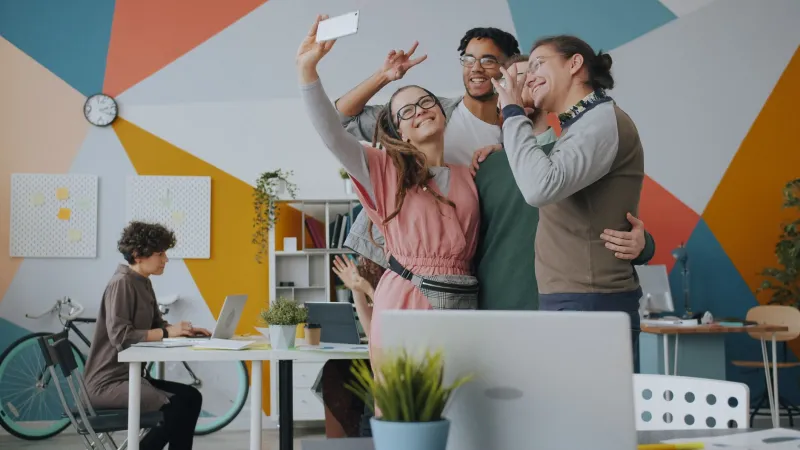
There's a particular kind of loneliness that doesn't look like loneliness from the outside. Your phone buzzes constantly. Your calendar has something on it almost every weekend — a cultural festival, a friend's gallery opening, a community potluck. You follow hundreds of accounts run by people who share your background, your food, your specific flavor of immigrant-kid humor. By every visible metric, you are connected.
And yet.
Something feels off. Not in a dramatic, cry-on-the-floor kind of way. More like a low hum you can't quite locate. A sense that for all the activity, something real isn't quite landing.
This is the paradox a lot of Korean and Asian diaspora folks in the US are quietly sitting with right now — and it deserves an honest conversation.
The Numbers Behind the Feeling
The U.S. Surgeon General declared loneliness a public health epidemic in 2023, but the data specific to Asian Americans tells its own complicated story. Studies from organizations like AAPI Data and the Pew Research Center have consistently shown that Asian Americans report lower rates of social trust and fewer close confidants compared to other demographic groups — even as they show up to community events in big numbers and maintain active social lives on the surface.
And the pandemic didn't help. Anti-Asian hate incidents spiked, many community spaces shut down, and elders became isolated in ways that left generational wounds that haven't fully healed. For younger Korean and Asian Americans who were already navigating questions about where they belonged — too American for their parents' world, not American enough for everyone else's — that period accelerated something that was already quietly brewing.
When the Group Chat Isn't Enough
Let's be real about what online community can and can't do.
The Korean American and broader Asian American digital ecosystem is genuinely impressive. There are subreddits, Discord servers, TikTok communities, and local Facebook groups that have given diaspora folks spaces to find each other across geography and background. Platforms built by and for us — covering everything from food and dating to career advice and mental health — have filled gaps that mainstream media never bothered to address.
But here's the thing about digital community: it's really good at recognition and not always great at intimacy. You can feel seen by a meme about your mom's passive-aggressive love language and still not have a single person in your life you'd call at 2 a.m. You can rack up hundreds of likes on a post about navigating dual identity and still feel like nobody around you actually gets the full picture of who you are.
There's also the performance layer to reckon with. Social media, even within tight-knit community spaces, rewards a curated version of yourself. The posts that do well are the ones that are relatable, funny, aesthetically pleasing, or inspirational. The messy stuff — the loneliness itself, the shame, the grief of feeling culturally in-between — tends to stay in the drafts.
The Model Minority Myth Has a Loneliness Tax
Part of what makes this conversation hard is that Asian Americans, and Korean Americans specifically, have been culturally conditioned to not make a big deal out of emotional struggles. The model minority myth isn't just about academic achievement and professional success — it also implies a kind of emotional self-sufficiency. We're supposed to be fine. Thriving, even.
That expectation creates a specific kind of isolation. When you've been told your whole life that struggling is not part of your narrative, it becomes very hard to reach out when you are, in fact, struggling. You don't want to be a burden. You don't want to seem weak. And you definitely don't want to confirm any stereotypes about your community not being able to handle things.
So instead, a lot of us just... keep showing up. To the events. To the group chats. To the community spaces. Performing connectedness while quietly running on empty.
What "Real" Community Actually Requires
This isn't an argument against digital spaces or community events — those things matter, genuinely. But there's a difference between access to community and depth of community, and it's worth thinking about what actually creates the latter.
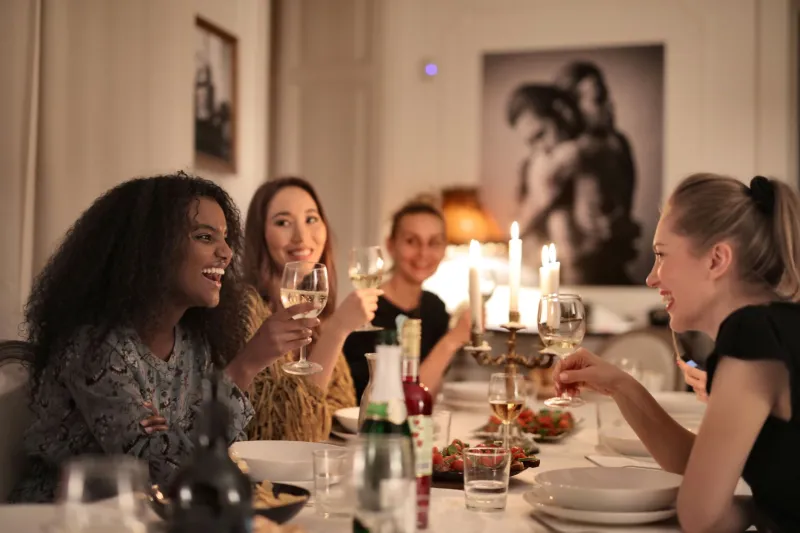
Real belonging tends to happen in the margins. It's less about the organized event and more about what happens after, when a smaller group stays behind and the conversation gets honest. It's the friend who texts you not because they saw your post but because they were thinking about you specifically. It's the elder at your Korean church or cultural center who remembers your name and asks a real question about your life.
Those moments are harder to scale. They require vulnerability, consistency, and a willingness to be known — not just recognized. And for a lot of diaspora folks who've spent their whole lives shape-shifting to fit different contexts, being known can feel genuinely risky.
Building Something That Goes Deeper
Some spaces are actively trying to address this. Across the country, Korean and Asian American community organizations are moving beyond event programming toward models that prioritize ongoing relationship-building — things like peer support circles, intergenerational mentorship programs, and small-group formats that allow for real conversation rather than just shared attendance.
There's also growing awareness within diaspora communities about the importance of naming the loneliness rather than performing around it. More Korean American writers, podcasters, and creators are talking openly about feeling isolated despite being surrounded by community. That kind of honesty is contagious in the best way — it gives other people permission to say me too.
If you're someone who's been nodding along to this whole piece, here's the low-key challenge: the next time you're at a community event, a cultural gathering, or even just hanging with your Asian American friend group — let something real slip through. Ask a harder question. Stay a little longer. Text someone not because you saw their content but because you genuinely want to know how they're doing.
The feeds will always be full. The question is whether the rooms we share — physical and otherwise — can hold something more than that.
Kuasewon Community is dedicated to connecting the Korean and Asian diaspora across America — not just online, but in the real, messy, meaningful ways that actually stick.